

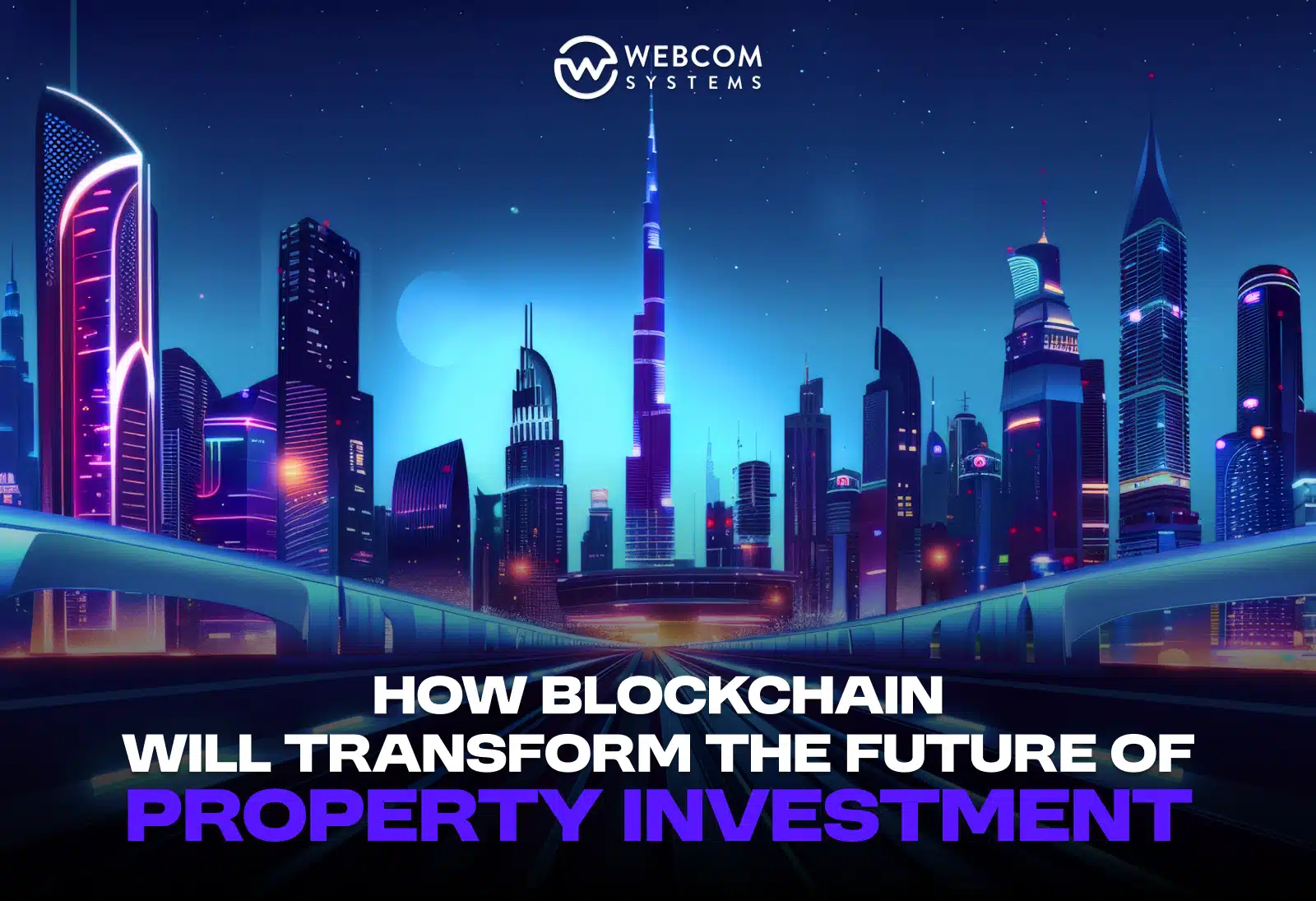
How Blockchain Will Transform the Future of Property Investment
Category : Blockchain / by Andrew
Due to the staggering rate of capital appreciation, real estate has been the most preferred choice for investment and wealth-building for ages. Nevertheless, the property investment has some challenges as well, such as illiquidity, multiple intermediaries, expensive entry, and much more. Surprisingly, blockchain technology has emerged as the missing piece of the puzzle, addressing long-standing issues in the property market.
While blockchain is often associated with the fintech sector due to its predecessor, Bitcoin, its impact reaches far beyond finance. By utilising its pillar elements of decentralisation, immutability, security, and transparency, it is altering a number of industries, from gaming to healthcare, and more. But this transformation is commendable in the real estate industry.
With blockchain development in real estate, it is changing the way properties are owned, financed, traded, and governed. Let’s explore in detail how blockchain could transform property investment in the upcoming years.
Also Read: White Label Remittance Software is the Future of FinTech Here’s Why..!
Current Challenges In Property Investment
Traditional property markets encounter various challenges that hinder both investors and real estate firms. These issues have driven the widespread Blockchain Software Development in the real estate sector. Here are some of the key problems in property investment that have stressed the need for change:
- Real estate properties are illiquid assets that take a lot of time to sell and purchase.
- Multiple intermediaries, such as lawyers, brokers, appraisers, and many more, have made the property market quite complex.
- Real estate properties are expensive and require significant investment, even for a small lot.
- The presence of multiple intermediaries to actually finalise the property deal adds a considerable cost for each involved party.
- There is no clarity about property transaction histories or price discoveries, which has resulted in market opacity.
- There are numerous jurisdictions and compliance requirements, particularly when investing in properties across borders. It makes international investment hectic and complicated.
- Manually recording and executing contracts causes delays and increases risk.
Blockchain Technology In Property Investment
Blockchain is also called distributed ledger technology (DLT), as it employs a decentralised ledger to record transactions. The information stored on this network cannot be altered, deleted, or manipulated, as it is encrypted and maintained by a network of distributed computers.
Blockchain technology provides a powerful architecture that addresses each and every challenge the real estate market is dealing with. Here are some key concepts of blockchain that encourage the integration of splitting, trading, and financing in property investment:
- Tokenisation: It is the process of converting an asset into digital tokens representing fractional ownership on a blockchain.
- Smart Contracts: These are self-executing agreements holding the coded details of their terms and conditions of execution.
- Distributed Ledger: Blockchain creates a secure and tamper-proof record of transactions shared by multiple participants.
- Decentralised Finance (DeFi) Platforms: Innovative on-chain lending, marketplaces, and other DeFi solutions increase asset liquidity.
Key Ways Blockchain Will Transform Property Investment
Blockchain technology, due to its unique capabilities, will transform property investment in the following ways:
Fractional Ownership
High-value real estate properties can be divided into fractions as tokens, where each represents a share of the property value. Thus, where purchasing the whole property is way too expensive, small-scale investors can purchase a small fraction of a commercial building or a rental unit with a smaller budget. Moreover, it even allows investors to diversify their portfolio among different properties and geographies. Likewise, real estate firms can access different classes of investors and amplify their business profits.
Improved Liquidity
When the property is tokenized, it can be listed and even traded as tokens on different trading platforms and online marketplaces. Thus, it would aid in increasing the liquidity of properties and allow faster exit as well as entry for investors. Additionally, the availability of ongoing trade data on properties can enhance transparency in their pricing.
No Intermediaries
As previously stated, the real estate sector involves multiple intermediaries such as brokers, lawyers, and banks, each playing their specific roles necessary to operate the real estate ecosystem. However, the blockchain platforms can manage all the operations from listings to payments using automated smart contracts. These digital agreements could automate all the manual tasks like escrow, payments, and revenue distributions. Thus, multiple intermediaries would be unnecessary. When on-chain requirements are satisfied, it would enable direct transactions and immediate deal closings.
Reduced Costs
A decentralised network and smart contracts can not only streamline the real estate operations but also reduce administrative costs. Thus, real estate transactions won’t involve multiple commissions, professional fees, and other expenses. As property transactions evolve into true peer-to-peer activities, blockchain platforms will manage all the related work. Additionally, rental income can be distributed automatically based on programmed rules, without incurring taxes or fees.
Transparent and Secure Records.
Blockchain technology consists of distributed ledgers that can record the information of property ownership, transaction history, liens, and everything else. This information stored on blockchain networks is immutable, tamper-proof, transparent and secure from fraud. Hence, it quickens and simplifies the time-consuming diligence activities and provenance verification.
Global Investments
Cross-border property investment can be simplified with blockchain-native tokens that promote quick transactions. These property tokens ensure KYC/AML-compliant onboarding and transparent settlements that simplify cross-border property investment without the delays often associated with correspondent banking. As a result, buyers can have the opportunity to invest globally, while sellers can attract worldwide buyer participation in local projects.
Challenges and Risks of Blockchain Implementation in Real Estate
Blockchain development in real estate is indeed revolutionary but faces significant hurdles:
Custody and Security
Although property tokens are relatively secure, they are still susceptible to loss or theft. Thus, there is a need for highly advanced custody solutions to protect them from fraud and abuse.
Expertise
Implementing and managing blockchain technology in the property sector requires the expertise of highly skilled blockchain development companies, which are relatively scarce. You can only trust professionals, such as those at Webcom Systems, if they have proven experience in areas like cybersecurity and smart contract programming and development.
Legal Support
Converting property documents, such as physical deeds, into smart contracts still necessitates legal redesign and the cooperation of courts and other legal authorities. Therefore, there remains a level of dependence on external legal and governmental entities.
Regulatory Uncertainty
Different countries have unique laws regarding technology and real estate. Additionally, blockchain is still a new technology, and there are not yet sufficient regulations in place to support its implementation in real estate. This creates uncertainties and risks for developers exploring blockchain development in the real estate sector.
Bottom Line
Blockchain technology has immense potential in remodelling the property investment by perfectly overcoming its current challenges. It instills its key capabilities of transparency, security, decentralisation and opening new investment opportunities through tokenization.
Being a futuristic blockchain development company, we at Webcom Systems are continually exploring the applications of blockchain in property investment. Our team has the advanced technologies, tools, and expertise needed to leverage the strengths of blockchain and develop innovative property investment solutions. Contact us today to learn more about the future of blockchain technology in property investment.
Also Read: 5 Most Powerful Smart Contract Platforms to Build in 2025
Related Posts
Webcom Systems Pty Ltd is a technology development and consulting company that builds blockchain, Web3, digital currency, NFT, DeFi, remittance, and related software solutions. Our role is strictly limited to providing software development, technical architecture, and strategic consulting services. We do not provide financial, investment, brokerage, exchange, asset management, taxation, legal, or trading services to businesses or individuals. We do not operate financial institutions, manage client funds, execute trading operations on behalf of users, or offer investment, tax, or legal advice of any kind.
Any legal compliance, license, regulatory approval, government registration, permit, KYC/AML implementation, and any other statutory obligation must be obtained and managed entirely by the client. Webcom Systems Pty Ltd does not assist in obtaining licenses or regulatory approvals from any authority.
All information provided on our website, marketing materials, proposals, and communications is for general informational purposes and does not contain investment, legal, or financial advice specific to you. You may rely on this information strictly at your own risk. No particular piece of information issued by us constitutes a proposal or request for a proposal to invest. We do not recommend, endorse, or sponsor any assets, securities, companies, or funds.
Clients are entirely responsible for conducting independent due diligence and are professionally advised to seek assistance from licensed financial advisors, legal counsel, and regulatory professionals to make such critical choices. Webcom Systems Pty Ltd accepts no liability for any decisions or financial consequences of your investment decisions.
Risk WarningInvesting and trading in financial markets involve a high level of risk. The value of financial products may fluctuate significantly, and you may lose part or all of your invested capital. It is preferable to fully comprehend how different financial products work before making any investment decisions. You should also carefully evaluate your financial situation, investment goals, and risk tolerance, and consider all risks involved before investing.
Error: Contact form not found.