

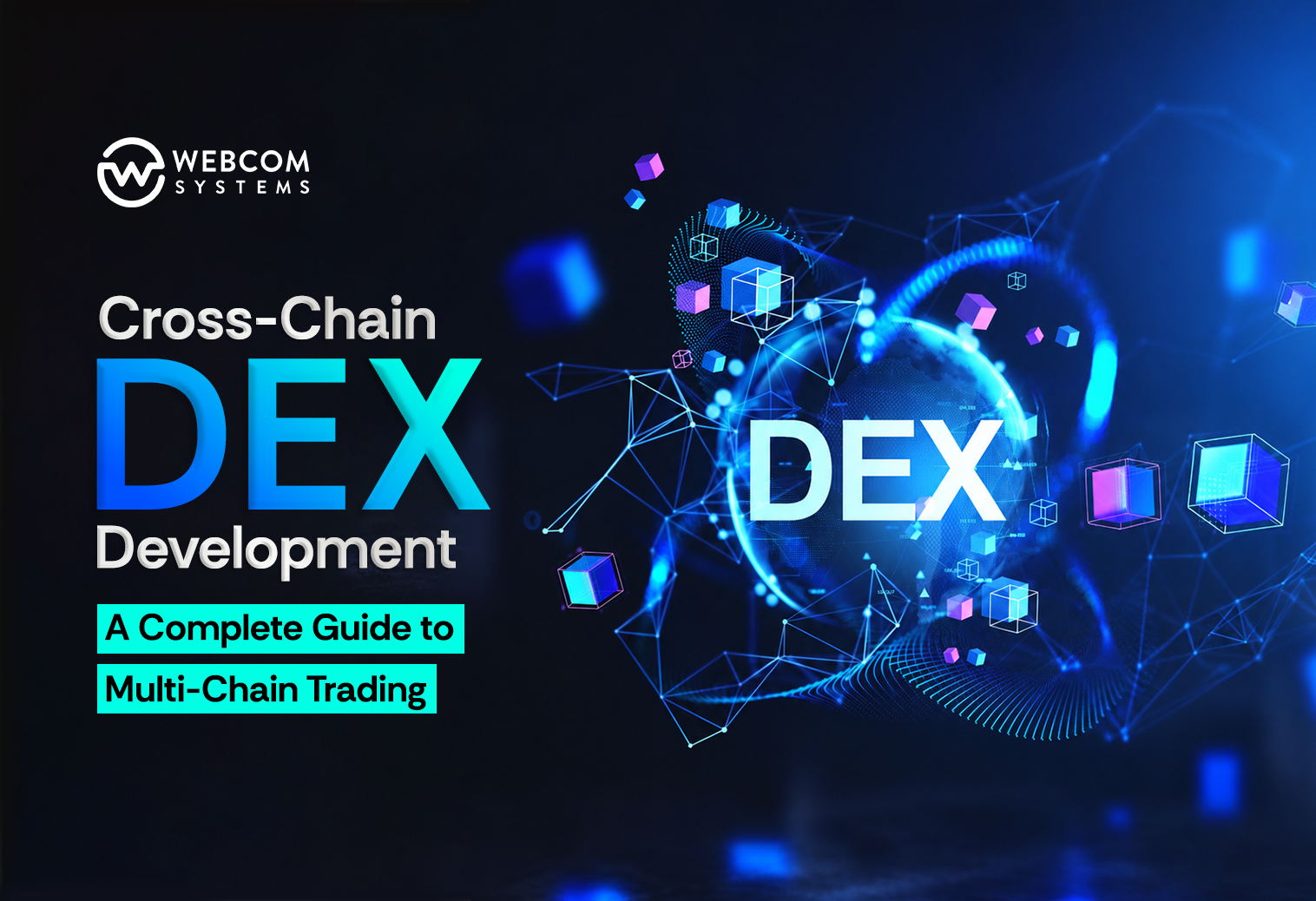
Cross-Chain DEX Development: A Complete Guide to Multi-Chain Trading
Category : Cryptocurrency Exchange / by Andrew
Over a decade ago, decentralised exchanges (DEXs) emerged as an upgrade to their centralised counterparts. Since their inception, they have gained great popularity due to their unique non-custodial nature.
Decentralised Finance (DeFi) took away the control over private keys and assets from centralised entities and handed it over to the real users who actually own them. However, the fact that these platforms existed in silos limited functionality and slowed growth. But not any more, as liquidity does not sit in separate pools and DeFi is no longer bound to one chain.
In 2026, blockchain interoperability has become the key feature of decentralised exchange platforms. Cross-Chain DEX development has made multi-chain trading possible and even common in the digital asset market. Today, users can smoothly exchange assets across multiple networks such as Ethereum, Binance Smart Chain, Polygon, Avalanche, Solana, and emerging Layer-2 ecosystems.
For startups and businesses, cross-chain crypto exchange development is a great opportunity to build powerful DeFi platforms and tap into the massive user base. In this guide, we explore everything one needs to know about cross-chain DEX development for those looking to launch this platform.
Also Read: Crypto Exchange Development Cost in 2026: Complete Pricing Guide
What Is Cross-Chain DEX Development?
Cross-chain decentralised exchange development involves the process of designing and building a blockchain-based trading platform that can carry exchange assets across multiple blockchain networks. Unlike traditional decentralised exchanges, which operate on a single blockchain network, these platforms feature interoperability to transfer assets across different networks without dealing with intermediaries. THORChain, Chainflip, Uniswap, PancakeSwap, Osmosis, Jupiter, Rango Exchange, and LI.FI are among the most popular cross-chain DEXs.
Basically, interoperability technologies like blockchain bridges, atomic swaps, cross-chain messaging protocols, wrapped assets, and liquidity aggregation mechanisms are used to support cross-chain trading in DeFi exchanges. These innovative technologies empower the platform to process assets and transaction data to move securely between different blockchain ecosystems to deliver a seamless trading experience.
Different Components of Cross-Chain Crypto DEXs
Building a robust cross-chain DEX requires setting up several interconnected components that work together to facilitate secure and efficient multi-chain transactions.
Cross-Chain Interoperability Layer
The interoperability layer is the core layer of a DEX that allows communication between different blockchain networks to support multi-chain trading. It may include interoperability solutions such as LayerZero, Wormhole, Cosmos IBC, or others.
Liquidity Management System
A liquidity management system in cross-chain DEXs uses Automated Market Makers (AMMs), liquidity pools, liquidity aggregation models, and cross-chain routeing mechanisms to maintain trading efficiency.
Smart Contracts
Smart contracts automate all platform tasks, including trade execution, liquidity management, fee allocation, and cross-chain asset transfers.
Wallet Integration
The cross-chain crypto exchange solutions support popular multi-chain wallets for users to trade seamlessly.
Security Infrastructure
The platform features high-end security technologies to protect cross-chain bridges and interoperability layers from cyberattacks.
Key Applications of Cross-Chain Decentralised Exchange Solutions
Cross-Chain DeFi exchange platforms open doors to new opportunities with cross-chain asset exchange support, such as
Cross-Chain Token Swapping
Platform users can swap tokens across different blockchain networks without involving intermediaries, which lowers transaction costs and increases speed.
Decentralised Lending and Borrowing
Cross-chain DeFi exchanges support decentralised lending and borrowing protocols to increase financial access for users. Thus, users get the flexibility to lend and borrow assets across various blockchains.
Multi-Chain Yield Farming
Users can lock or lend their digital assets in a cross-chain DeFi exchange to increase liquidity and earn rewards across multiple chains.
Governance Mechanisms
Cross-chain DEXs also incorporate governance tokens. They give users the authority to participate in decision-making processes like protocol upgrades and platform development.
Diversify Portfolios
Cross-chain DEXs expand investment opportunities for users. They can trade across multiple chains to expand their portfolio and reduce risk.
Benefits For Businesses Investing In Cross-Chain Crypto DEX Development
Explore the various benefits that crypto businesses can leverage by investing in modern cross-chain DEXs:
Access to a Larger User Base
Instead of serving a limited user base, businesses can attract users coming from various ecosystems using a platform that supports multiple blockchain networks.
Enhance Liquidity
Cross-chain DEXs aggregate liquidity from various blockchains. This improves trading efficiency, reduces slippage, and improves user satisfaction.
Increase Revenue Opportunities
Businesses can generate revenue through multiple sources like trading fees, liquidity pool fees, staking services, premium features, etc.
Improve Experience of Platform Users
Users don’t have to sign up for multiple exchanges and bridge solutions, as they can trade assets across multiple networks from a single platform.
Increase Asset Accessibility
Crypto exchange solutions with cross-chain functionality can support more cryptocurrencies and tokens to increase utility and engagement.
Market Edge
Naturally, a cross-chain DEX with multi-asset trading support and deeper liquidity gives an extra edge over platforms that still operate in silos.
Stronger Ecosystem Growth
Cross-chain functionality by design demands multiple partnerships, integrations, and community participation. This helps businesses build a more robust DeFi ecosystem.
Step-by-Step Cross-Chain DEX Development Process
Building a cross-chain DEX isn’t the same as developing a standard platform. Here’s a structured approach followed by professional exchange development companies like Webcom Systems to develop a successful cross-chain crypto decentralised exchange solution:
Define Business Requirements
Instead of jumping right into development, the client requirements are defined first to make sure that the project gets off to a good start. So, consultants will converse with the client to identify their target user base, revenue model, key platform features, supported blockchains, and other project needs.
Choose Blockchain Networks
As the key functionality of the platform needs to be multi-chain trading, compatible blockchain networks are selected, such as Ethereum, Polygon, BNB Chain, Avalanche, Solana, Arbitrum, Optimism, and more, to build interoperability in the exchange.
Select Cross-Chain Infrastructure
Now, the team analyses the security, transaction speed, scalability, costs, and integration complexity of interoperability protocols, messaging layers and bridge technologies to deliver reliable cross-chain communication.
Smart Contract Development
The development team codes smart contracts to automate tasks such as asset swaps, liquidity management, fee distribution, cross-chain transactions, and others by specifying the terms of execution.
Bridge Integration
After developing smart contracts, bridges are integrated to allow secure asset transfers and communication between different blockchain networks.
Liquidity Pool Development
Cross-chain liquidity pools and routeing mechanisms are implemented to provide smooth trading with minimal slippage and optimise capital utilisation across networks.
Wallet Integration
The exchange platform is integrated with asset management solutions such as MetaMask, Trust Wallet, WalletConnect, and Phantom to facilitate secure transaction management.
Build the User Interface
A user-friendly platform interface is designed to make trading easier through intuitive navigation, clear transaction flows, and, most importantly, mobile responsiveness.
Perform Security Audits and Testing
Before deployment, the platform undergoes extensive auditing to spot every single vulnerability and remove it on time to strengthen its security.
Launch and Maintain the Platform
After testing, the exchange is finally deployed. Besides, these platforms require ongoing maintenance to keep them secure, updated and high-performing at all times.
Wrapping Up
Cross-chain DEXs have ushered in a huge breakthrough in decentralised finance by making it possible to trade across multiple blockchain networks. These platforms resolve liquidity fragmentation issues and improve the experience of market participants to help them truly explore digital asset trading.
If you’re planning to launch a decentralised exchange, it’s essential to ensure your platform supports multi-chain trading across leading blockchain networks such as Ethereum, BNB Chain, Polygon, Solana, Avalanche, Arbitrum, and Optimism. Additionally, it should incorporate robust security measures, high-performance architecture, and an intuitive user experience.
Webcom Systems is a leading Crypto Exchange Development Company that specialises in building cross-chain crypto exchange solutions designed for multi-chain growth. From blockchain selection and smart contract development to bridge integration, liquidity infrastructure, security audits, and post-launch support, we can handle the complexities of cross-chain DeFi exchange development for your project to deliver a powerful exchange custom to your needs
Get in touch to discuss your project and collaborate with the industry experts to build a successful cross-chain DEX.
Also Read: Why Forex Brokers Need Custom Forex Trading Software in 2026
Related Posts

Webcom Systems Pty Ltd is a technology development and consulting company that builds blockchain, Web3, digital currency, NFT, DeFi, remittance, and related software solutions. Our role is strictly limited to providing software development, technical architecture, and strategic consulting services. We do not provide financial, investment, brokerage, exchange, asset management, taxation, legal, or trading services to businesses or individuals. We do not operate financial institutions, manage client funds, execute trading operations on behalf of users, or offer investment, tax, or legal advice of any kind.
Any legal compliance, license, regulatory approval, government registration, permit, KYC/AML implementation, and any other statutory obligation must be obtained and managed entirely by the client. Webcom Systems Pty Ltd does not assist in obtaining licenses or regulatory approvals from any authority.
All information provided on our website, marketing materials, proposals, and communications is for general informational purposes and does not contain investment, legal, or financial advice specific to you. You may rely on this information strictly at your own risk. No particular piece of information issued by us constitutes a proposal or request for a proposal to invest. We do not recommend, endorse, or sponsor any assets, securities, companies, or funds.
Clients are entirely responsible for conducting independent due diligence and are professionally advised to seek assistance from licensed financial advisors, legal counsel, and regulatory professionals to make such critical choices. Webcom Systems Pty Ltd accepts no liability for any decisions or financial consequences of your investment decisions.
Risk WarningInvesting and trading in financial markets involve a high level of risk. The value of financial products may fluctuate significantly, and you may lose part or all of your invested capital. It is preferable to fully comprehend how different financial products work before making any investment decisions. You should also carefully evaluate your financial situation, investment goals, and risk tolerance, and consider all risks involved before investing.
Error: Contact form not found.